The Art and Science of High-Quality Rendering in 3D Modelling
Open Agency Series #2302: Redshifting the boundaries
Introduction
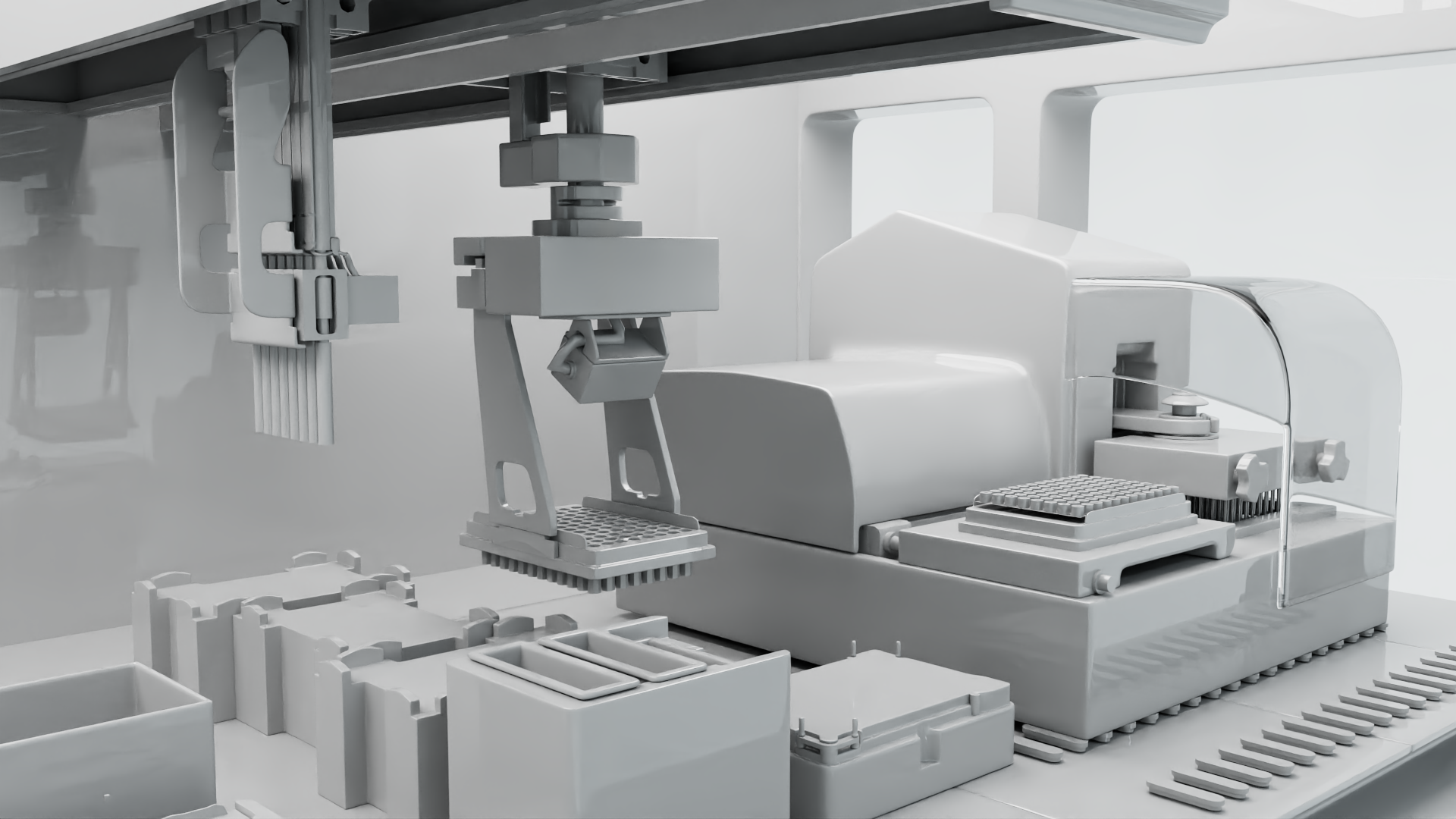
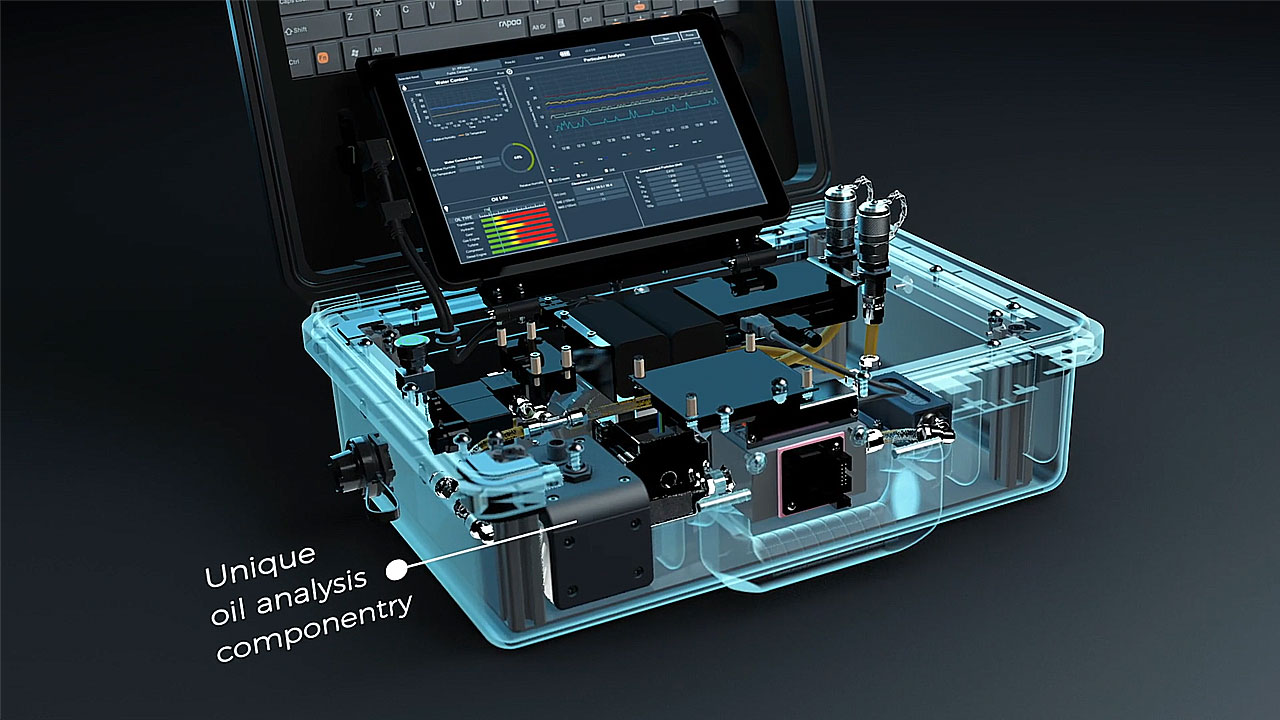
In the world of 3D modelling, rendering holds paramount significance. It’s the process that breathes life into digital models, transforming them from geometric abstractions into photorealistic images and animations. Rendering engines like Redshift are pushing the boundaries of what’s possible in the realm of visual storytelling. In this article, we explore the importance and technicalities of high-quality rendering in 3D modelling, with a special focus on the game-changing Redshift rendering engine.
Technicalities of High-Quality Rendering
Resolution: High-quality rendering often means rendering at high resolutions, which is crucial for creating detailed and sharp images suitable for print, large displays, and immersive experiences like VR.
Textures and Materials: Realistic rendering relies on accurately replicating materials, textures, and surface properties. Modern rendering engines like Redshift provide advanced material systems that can simulate everything from fabric to metals.
Lighting: The interaction between light and surfaces is fundamental to realism. Global illumination techniques, such as ray tracing, help to accurately model how light bounces off surfaces and affects their appearance.
Post-processing: Image post-processing, such as colour correction, depth of field effects, and lens flares, can significantly enhance the final output and contribute to a more cinematic or artistic look.

The Significance of High-Quality Rendering
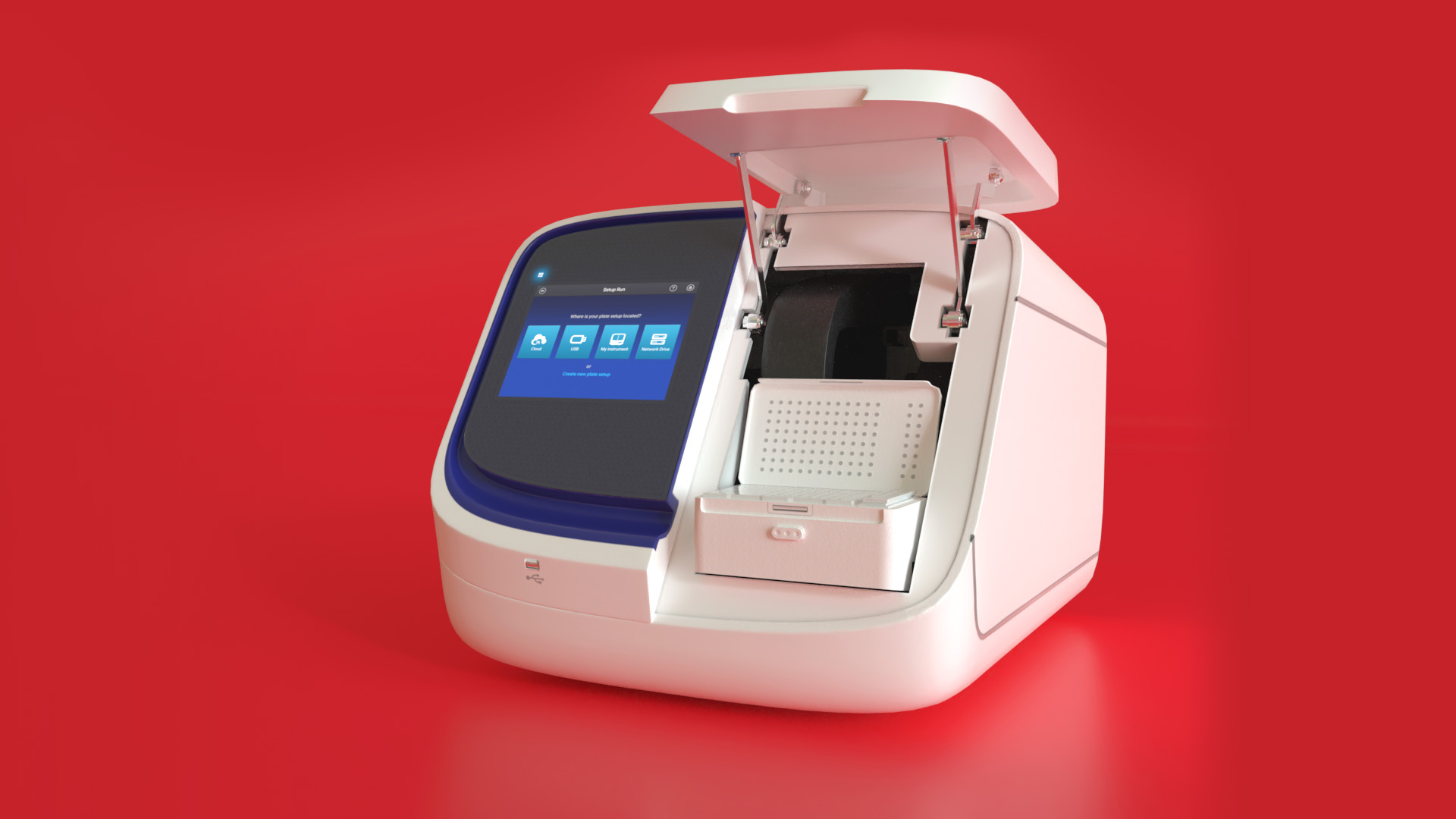
High-quality rendering is the final, often most labour-intensive, step in the 3D modeling process. It is the stage where intricate details, photorealistic textures, lighting, and atmospheres come together to produce images that are indistinguishable from reality. The importance of this process cannot be overstated, as it directly impacts the visual appeal, realism, and emotional impact of the 3D model. Here are some key reasons why high-quality rendering matters:
Realism: High-quality rendering makes 3D models look real, which is crucial in various industries, including architecture, product design, and entertainment. Realism immerses viewers, making them feel as if they are experiencing the modeled object or scene in person.
Aesthetics: Stunning visuals draw attention and engage the audience. Whether it’s an architectural visualisation, a product advertisement, or a film, high-quality rendering enhances the aesthetics, making the content more captivating.
Communication: In architectural and industrial design, rendering allows architects and designers to convey their ideas effectively to clients and stakeholders. It simplifies complex concepts and enables decision-makers to visualise the end product.
Marketing and Sales: In the world of product design, high-quality rendering helps businesses showcase their products in a way that drives sales. It can be the difference between a potential customer choosing your product over a competitor’s.